Solar Company in Quetta: Designing for a Harsh Climate
Quetta is not Karachi, and a solar system copied from a coastal design will disappoint here. High altitude, freezing winter nights, dust storms, and intense clear-sky sunshine all shape what works on a Balochistan rooftop. Choosing a solar company in Quetta that understands these conditions is the difference between a system that thrives and one that stumbles through its first winter. This guide explains what a climate-aware design looks like in 2026.
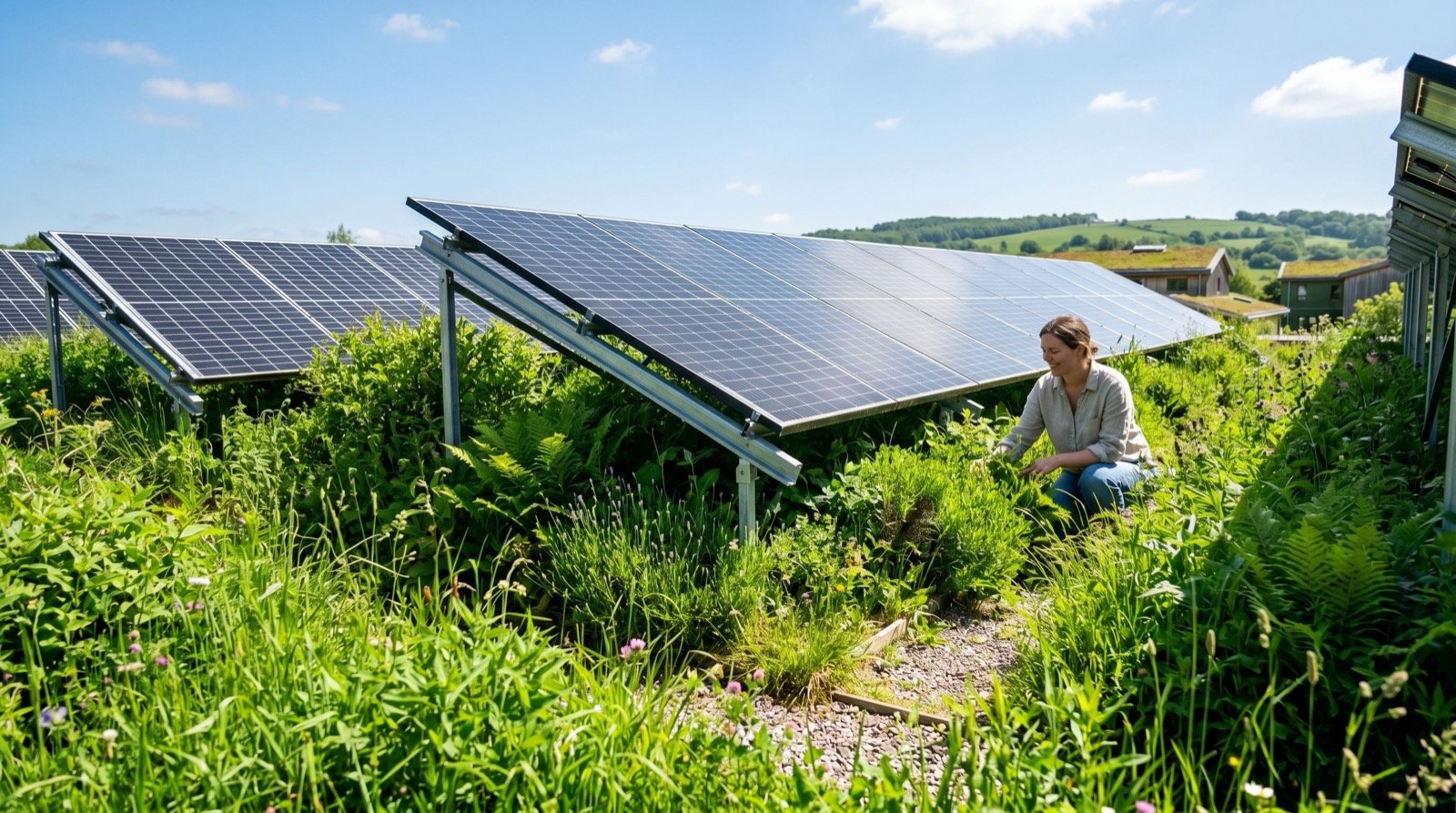
The good news is that Quetta’s thin, clear air and long sunny spells make it genuinely excellent for solar generation. The challenge is engineering the system to survive cold, wind, and grit while capturing that abundant light.
What Makes Quetta Different
Altitude changes everything. At Quetta’s elevation, sunlight is stronger and cooler temperatures actually help panel efficiency, since modules produce more when they run cold. But the same climate brings hazards that a good installer plans around.
- Cold snaps: batteries lose capacity and can be damaged if unprotected.
- Dust and grit: airborne dust coats panels and forces more frequent cleaning.
- High winds: mounting structures must resist strong gusts.
- Wide temperature swings: wiring and clamps must tolerate expansion and contraction.
Why Cold Actually Helps
Solar panels are rated at 25 degrees Celsius and lose a little output for every degree above that. Quetta’s cooler climate keeps panels near their ideal operating range for much of the year, so a well-designed array here can outproduce the same hardware in a hotter city. The National Renewable Energy Laboratory documents this temperature relationship clearly, and it works in Quetta’s favour.
Choosing the Right Solar Company in Quetta
Local knowledge is not optional here. An installer who has weathered Quetta winters will specify the right battery chemistry, angle the panels for low winter sun, and choose structures rated for the wind. Look for a solar company in Quetta that surveys your site in person and explains its choices in plain language.
Seek out installers who act as trusted professionals: they document the system, warranty their workmanship, and remain reachable for service. Remote installations in particular demand a partner who will return for maintenance, not vanish after commissioning.
Battery Choices for Cold Nights
Battery selection matters more in Quetta than almost anywhere else in the country. Lithium iron phosphate batteries tolerate cold better and last longer than older lead-acid banks, though they cost more upfront. If you rely on backup through winter, the premium usually pays off.
| Design Factor | Coastal Approach | Quetta Approach |
|---|---|---|
| Panel tilt | Moderate, heat-focused | Steeper for low winter sun |
| Battery type | Any mainstream option | Lithium, cold-rated preferred |
| Mounting | Standard wind rating | High wind rating, extra anchoring |
| Cleaning schedule | Occasional | Frequent, due to dust |
| Wiring | Standard | Rated for wide temperature swing |
Grid-Tied City Homes Versus Off-Grid Outposts
Quetta buyers fall into two camps, and each needs a different design. City homes with a grid connection benefit from net metering and may skip or minimise batteries. Farms and outposts beyond the grid need robust off-grid systems with generous storage.
- Map your daily load, hour by hour, including winter heating.
- Decide whether the grid reaches you reliably or not at all.
- Size storage for the longest cloudy stretch you expect.
- Choose a tilt that favours winter production when you need it most.
Is Off-Grid Solar Reliable Through a Quetta Winter?
Yes, when designed with margin. The key is sizing the battery bank for several days of autonomy and adding enough panel capacity to recharge quickly on short winter days. Skimp on either and you will run short during a cold, overcast week. A conservative design keeps an off-grid home comfortable year round.
Comparing Quetta With the Capital
System requirements shift with geography, so it helps to see how other cities differ. A buyer weighing options might also price solar panels in Islamabad, where milder winters and different sun angles change the ideal tilt and storage. For Balochistan conditions, though, a specialised solar company in Quetta will tailor the design to altitude, cold, and wind rather than applying a generic template.
Maintenance in a Dusty Climate
Dust is the quiet thief of solar output. A film of grit can shave a meaningful percentage off production, so Quetta systems need more frequent cleaning than those in wetter regions.
- Rinse panels regularly, more often after dust storms.
- Check mounting bolts each season for wind-loosened hardware.
- Keep batteries in an insulated, ventilated space over winter.
- Review monitoring data weekly to catch drops early.
Sizing Storage for Autonomy
Autonomy is the number of days your system can run on stored power without meaningful sun. In Quetta, where a cold front can bring several overcast days, off-grid buyers should design for more autonomy than a sunnier region would need. A common target is two to three days of backup for an off-grid home, more if the site is truly remote.
Grid-tied city homes need far less storage because the grid acts as backup during the day. For them, a modest battery covers evening peaks and load shedding, keeping the upfront cost sensible. Match the storage to the reality of your grid connection rather than buying capacity out of anxiety.
Winter Heating Loads
Quetta winters add a load that coastal designs ignore: heating. If you plan to run electric heaters or heat pumps from solar, your load calculation must include those cold-month peaks, which often exceed summer demand. Undersize for winter and the system will lean on the grid or generator exactly when you wanted independence.
- Log your heaviest winter days, not just the annual average.
- Add panel capacity to offset short winter daylight hours.
- Consider efficient heat pumps over resistive heaters to cut load.
- Keep a small generator as backup for the deepest cold snaps.
Frequently Asked Questions
Does cold weather damage solar panels in Quetta?
No, panels handle cold well and even produce more efficiently in it. The component to protect is the battery, which loses capacity in freezing temperatures unless it is cold-rated and sheltered.
How often should I clean panels in Quetta?
More often than in rainy regions because of airborne dust. A rinse every couple of weeks, and promptly after major dust storms, keeps output near its peak.
Is net metering available in Quetta in 2026?
Grid-connected homes can apply for net metering through the local distribution company. Confirm current terms with your installer, as approval timelines and buyback rates are reviewed periodically.
What tilt angle suits Quetta rooftops?
A steeper tilt than coastal cities use helps capture the low winter sun and sheds dust more readily. Your installer should calculate the exact angle from your latitude and load pattern.
Conclusion
Quetta rewards solar buyers who respect its climate. Cold-rated batteries, wind-ready structures, a winter-friendly tilt, and a diligent cleaning routine turn the region’s abundant sunshine into dependable power. Partnering with an experienced solar company in Quetta ensures the design fits Balochistan’s unique conditions rather than a generic blueprint. Ready to begin? Book an on-site survey and ask for a climate-specific written proposal in 2026.