PAR Drive-Thru Solutions and Smart Ordering: The 2026 Playbook for Faster Restaurants
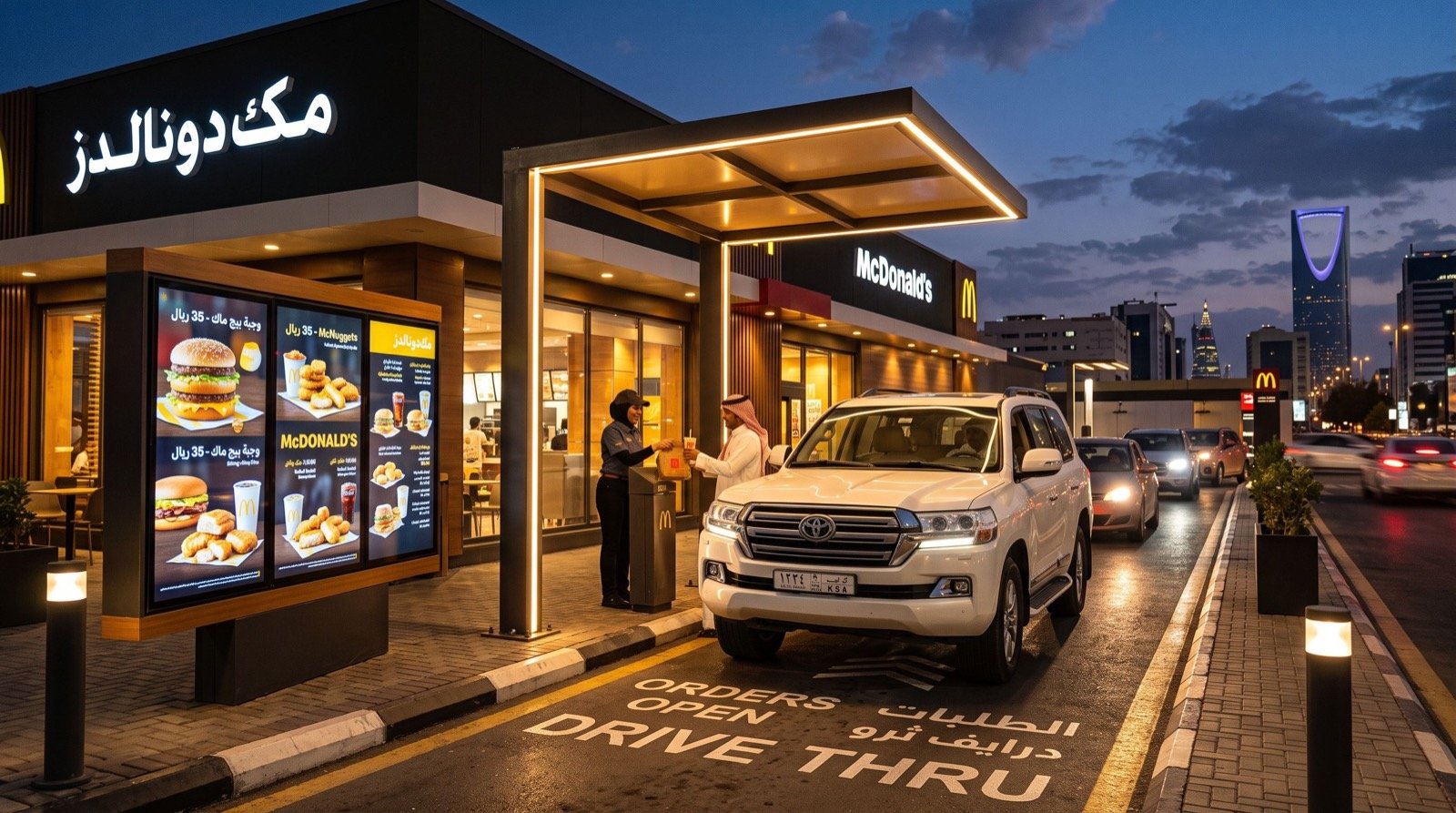
Restaurants win or lose at the point of ordering. A clean, fast, accurate order flow keeps cars and customers moving; a clumsy one stacks the lane and shrinks the day’s sales. In 2026, operators are turning to integrated drive-thru solutions that connect ordering, timing, and communication into one reliable system.
This playbook explains how modern order-and-timer platforms work, why integration beats bolt-on gadgets, and how to combine outdoor lane tech with indoor queuing for a seamless service floor. If you run a quick-service or fast-casual location, the ideas below translate directly into shorter waits.
The Ordering Layer Is the Real Bottleneck
Most delay hides in the order stage, not the kitchen. Miscommunication, hesitation, and payment friction quietly add seconds that pile into minutes across a rush.
Solving it means tightening the whole chain: greet the vehicle, capture the order cleanly, confirm it visually, and route it instantly to production. Each handoff should be measured and fast.
What Integrated Drive-Thru Platforms Provide
- Order timing analytics: stage-by-stage measurement of every car.
- Confirmation displays: visual accuracy that cuts remakes.
- Point-of-sale integration: orders flow straight to the kitchen.
- Communication hardware: clear headset audio at the speaker post.
Operators evaluating PAR Drive Thru solutions typically want that tight link between ordering, POS, and timing, because a unified data trail reveals exactly where the lane slows and how to fix it.
How Do Smart Ordering Systems Cut Wait Times?
They cut wait by removing rework and guesswork. Accuracy is speed: an order taken right the first time never returns to clog the lane.
Three levers matter most:
- Visual confirmation lets customers correct mistakes before payment.
- Live timers highlight the slowest stage so managers act fast.
- POS integration eliminates manual re-keying between order and kitchen.
The same discipline applies indoors. A queue management system in lahore brings this measured, data-driven flow to the lobby, timing each counter interaction just as a drive-thru times each car. Pair the two and the entire location runs on evidence, not hunches.
Outdoor Lane vs Indoor Counter: A Quick Comparison
| Aspect | Drive-Thru Lane | Indoor Queue |
|---|---|---|
| Entry point | Vehicle detection | Kiosk / mobile check-in |
| Accuracy tool | Order confirmation screen | Service selection menu |
| Core metric | Total lane time | Average wait time |
| Staffing lever | Add order-taker | Open extra counter |
Why Integration Beats Bolt-On Gadgets
Piecemeal tools create blind spots. A separate timer, a separate headset system, and a separate POS force managers to stitch data together manually, which rarely happens during a busy shift.
Integrated platforms share one source of truth. That means a single dashboard shows lane time, order accuracy, and kitchen throughput together, so decisions get faster and smarter.
Reliability Is Non-Negotiable
All this technology assumes stable power, cabling, and networking. Outages at the speaker post or a frozen POS cost real money during peak hours.
Sound infrastructure is the quiet hero here, and partnering with trusted professionals for installation and cabling keeps every screen, sensor, and headset synchronized when the lane is at its busiest.
Handle Payment Data Responsibly
Drive-thru and counter systems process card payments, so they must meet payment-security rules. Review the official standard during any upgrade — the PCI Security Standards Council publishes the requirements that protect cardholder data across your ordering and POS stack.
Using Data to Forecast Demand and Staff Smarter
The best drive-thru operators do not just react to rushes; they predict them. Every order your system logs becomes fuel for smarter scheduling, and that shift from reactive to proactive is where real efficiency lives.
Timer and POS data reveal clear patterns. You learn which hours spike, which menu items slow the line, and how weather or local events reshape traffic. Armed with that history, managers schedule the right number of people at exactly the right times.
Turning Numbers Into Better Shifts
- Map your peak windows using historical lane-time data.
- Flag slow-prep items that consistently stretch total lane time.
- Pre-position staff before a known rush rather than during it.
- Compare locations to spread best practices across the network.
Accurate forecasting also protects margins. Overstaffing wastes labor while understaffing burns customers, and reliable data keeps you in the narrow, profitable middle. Even a modest improvement in scheduling accuracy adds up quickly across a busy week.
Just as importantly, this data-driven habit keeps improving on its own. The more history your system accumulates, the sharper its patterns become, so your forecasts and your service both get better month after month without extra effort.
A Field Tip That Actually Moves the Needle
Pre-load the greeting. Configure the system to greet the moment vehicle detection fires, before the order-taker is even free. That instant acknowledgment resets customer patience and creates a small buffer for staff without adding headcount.
Then review your slowest stage weekly and change one thing. Consistent, tiny improvements to ordering and confirmation outperform occasional big overhauls, and they keep both lane and lobby trending faster all year.
Frequently Asked Questions
What makes a drive-thru solution “integrated”?
Integration means ordering, timing, confirmation, and POS share one data flow. Instead of separate gadgets, managers see lane time, accuracy, and kitchen throughput on a single dashboard for faster decisions.
Can smart ordering reduce order errors?
Yes. Visual confirmation screens let customers verify their order before payment, and direct POS integration removes manual re-keying. Both sharply reduce remakes that otherwise clog the lane.
Do drive-thru and indoor queue systems share data?
Modern platforms can unify both, giving one view of total location performance. That lets a manager rebalance staff between the lane and the counter based on live demand.
How do I know which stage is slowing my lane?
Stage-level timers split each car into greet, order, and service segments. Reviewing these numbers pinpoints the exact bottleneck instead of leaving you to guess.
Conclusion
Fast restaurants in 2026 run on integrated drive-thru solutions and disciplined queuing, not disconnected gadgets. Measure every stage, protect payment data, build reliable infrastructure, and improve one weak link at a time. Do that and shorter waits become your default, not your goal. Ready to accelerate your service? Audit your ordering flow this week and unify your lane and lobby data first.