Dry Storage Solutions in Saudi Arabia: The 2026 Warehousing Guide
Efficient dry storage solutions in Saudi Arabia are quietly powering the Kingdom’s fast-growing retail, food, and industrial sectors. As Vision 2030 pushes Saudi Arabia toward becoming a global logistics hub, businesses need warehousing that is affordable, scalable, and smart about temperature. Dry storage, paired with chilled space where needed, is the foundation most supply chains are built on in 2026.
This guide explains what dry warehousing covers, when to combine it with refrigeration, and how to choose a national storage partner that keeps your inventory secure from Riyadh to the coast.
What Are Dry Storage Solutions in Saudi Arabia?
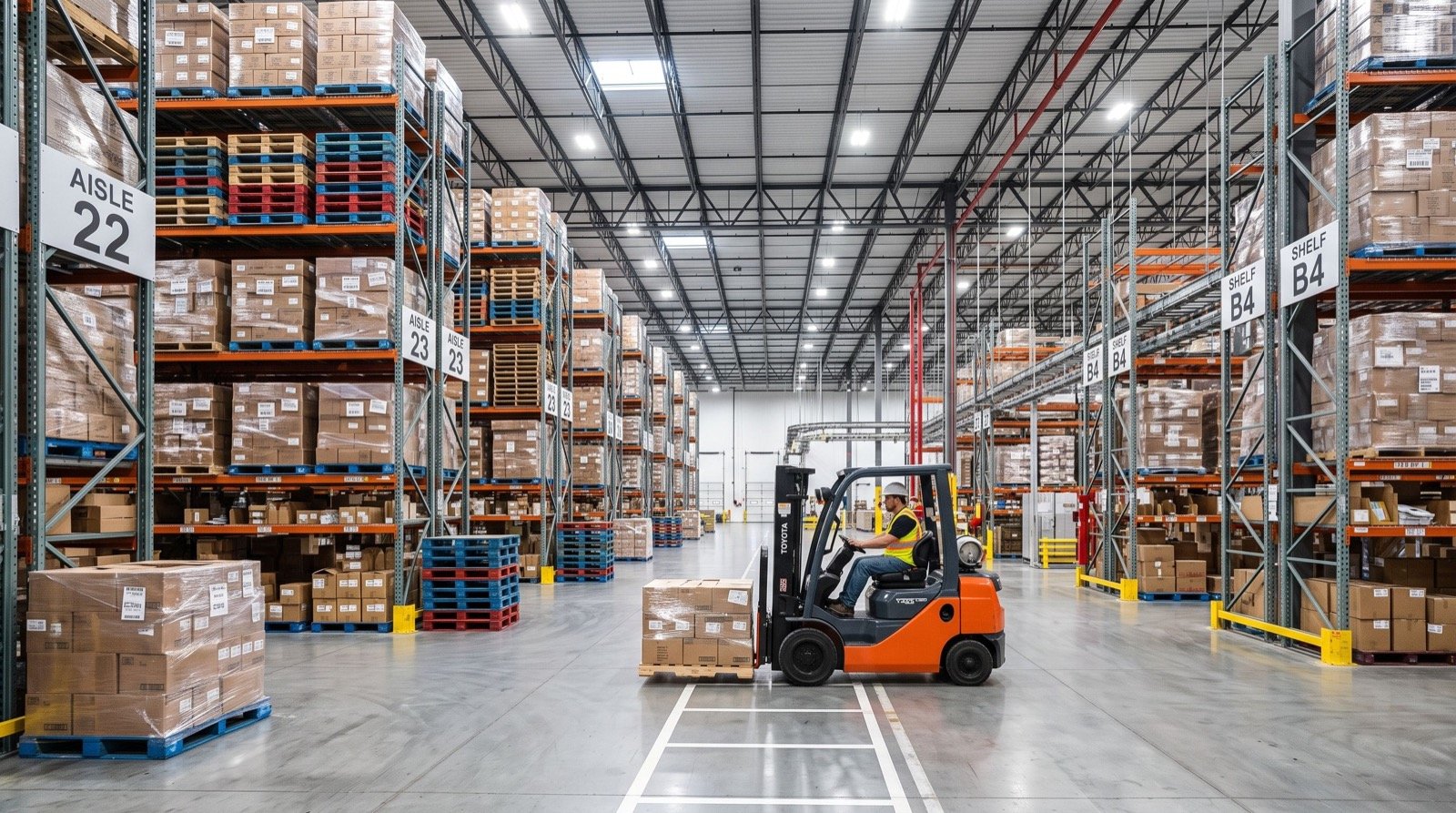
Dry storage keeps goods at stable, room-temperature conditions without refrigeration. It is the most common and cost-effective form of warehousing, ideal for the vast majority of packaged, canned, and non-perishable products that move through the Kingdom every day.
Well-managed Dry Storage solutions in Saudi Arabia protect inventory from humidity, dust, and pests while keeping products organized and instantly retrievable. Because they need no active cooling, dry facilities carry lower running costs, which translates directly into better margins for the businesses that use them.
What Kinds of Goods Suit Dry Warehousing?
- Canned and packaged food with long shelf lives
- Grains, flour, rice, and dry staples
- Textiles, apparel, and household goods
- Electronics and appliances in sealed packaging
- Paper, stationery, and promotional materials
When Should You Add Chilled Storage to the Mix?
Dry storage handles most inventory, but perishables need something more. Any product that spoils at room temperature belongs in refrigerated space. Adding dedicated Chilled Storage to your setup lets you keep dairy, fresh produce, and temperature-sensitive medicines within the safe 2°C to 8°C range while your dry goods sit economically alongside.
The smartest operators run a hybrid model. They audit their catalogue, assign each product to the correct tier, and avoid the classic mistake of paying to refrigerate goods that never needed cooling in the first place.
| Storage Type | Temperature | Best For | Running Cost |
|---|---|---|---|
| Dry | Room temperature | Canned goods, grains, textiles | Low |
| Chilled | 2–8°C | Dairy, produce, medicine | Medium |
| Frozen | -18°C or lower | Meat, seafood, frozen meals | High |
The message is simple: default to dry storage, layer in chilled capacity only where the product demands it, and your total warehousing bill stays lean.
The Role of Warehousing in Vision 2030
Saudi Arabia is investing billions in logistics infrastructure to position itself as a bridge between Asia, Europe, and Africa. Modern, standards-compliant warehousing is central to that ambition. Facilities aligned with the Saudi Standards, Metrology and Quality Organization (SASO) deliver better fire safety, cleaner storage environments, and more reliable handling for both local and imported goods.
This national momentum benefits every business. As new logistics zones open near ports and major cities, companies gain access to flexible, technology-driven storage that scales with demand and shortens delivery times to end customers.
Key Trends Shaping Storage in 2026
- Automation and barcode tracking for real-time inventory accuracy.
- Energy-efficient buildings that cut cooling and lighting costs.
- Flexible, pay-for-what-you-use space instead of rigid long leases.
- Hybrid dry-and-chilled facilities under one roof for simpler logistics.
- Data dashboards giving clients live visibility of their stock.
How to Reduce Waste and Protect Inventory
Good warehousing is also about protecting value. Proper humidity control, pest management, and organized racking prevent damage and loss. The Food and Agriculture Organization of the United Nations highlights that effective storage is one of the most powerful levers for cutting the global food waste that consumes roughly a third of production.
A practical tip: implement strict first-in, first-out rotation with clear date labeling. This single habit prevents most expiry-related write-offs and keeps your stock fresh and sellable across every category.
Choosing the Right National Storage Partner
Your warehousing partner shapes how smoothly your entire supply chain runs. Look for a provider with facilities in the right locations, transparent pricing, live inventory visibility, and the ability to flex space up or down with your season.
Above all, choose reliability. A network run by reputable service experts gives you consistent standards whether you store in Riyadh, Jeddah, or Dammam. Ask about security, compliance documentation, and backup power before signing any agreement.
- Coverage: facilities near key cities and transport links.
- Flexibility: scalable dry and chilled space on demand.
- Technology: real-time dashboards and accurate counts.
- Security: 24/7 monitoring and insured premises.
Location Strategy Across the Kingdom
Where you store is as important as how you store. Saudi Arabia’s three main logistics anchors, Riyadh in the center, Jeddah on the Red Sea, and Dammam on the Gulf, each serve different markets and trade routes. A national storage strategy places inventory close to demand, shortening delivery times and cutting transport costs.
Central Riyadh works well for goods destined for the largest domestic consumer market. Jeddah suits imports arriving through the Red Sea and products bound for the western region and pilgrims. Dammam serves the Eastern Province’s industrial base and re-export flows into the wider Gulf. Distributing stock across these hubs builds resilience: a disruption in one region need not halt your entire operation.
Balancing Cost, Speed, and Resilience
The right mix depends on your product and customers. Fast-moving goods benefit from being spread across multiple nodes for quick delivery, while slower-moving or seasonal stock can be consolidated in one cost-efficient location. Reviewing this balance each year, as demand patterns shift under Vision 2030, keeps your supply chain both lean and dependable.
Frequently Asked Questions
What is the difference between dry and chilled storage?
Dry storage keeps goods at room temperature for non-perishable products, while chilled storage holds items between 2°C and 8°C for perishables like dairy, produce, and medicine. Most businesses use both.
Are dry storage solutions cheaper than refrigerated ones?
Yes. Because dry storage needs no active cooling, it costs far less to operate than chilled or frozen space, making it the economical default for any product that tolerates room temperature.
Can one facility offer both dry and chilled storage?
Many modern Saudi facilities provide both under one roof, with separate zones for each temperature range. This hybrid setup simplifies logistics and reduces the need for multiple providers.
How does warehousing support Vision 2030?
Vision 2030 aims to make Saudi Arabia a global logistics hub. Modern, standards-compliant warehousing enables faster, more reliable distribution across the Kingdom and to international re-export markets.
Conclusion: Build a Smarter Supply Chain in 2026
Reliable dry storage solutions in Saudi Arabia, complemented by chilled capacity where it counts, give businesses the flexible, cost-effective foundation they need to thrive in a fast-modernizing market. By assigning each product to the right temperature tier, embracing tracking technology, and partnering with a trusted national provider, you protect your inventory and free capital for growth.
Ready to optimize your warehousing? Explore scalable dry and chilled storage solutions across Saudi Arabia today and give your supply chain the strong, dependable backbone it deserves.